Dongguan Hongtai Precision Industry Co., Ltd.



High-precision Hardware Parts and Components: Application Details, Pain Points and Solutions
In the modern manufacturing system, high-precision hardware parts and components are more than just auxiliary components; they are the key to bridging the gap between design concepts and practical application. With the continuous improvement of industrial requirements, the role of these precision parts becomes more prominent—they are not only required to meet strict dimensional standards but also to adapt to diverse working environments, reduce energy consumption, and extend the service life of the whole equipment. From the smallest micro-screws in electronic products to the large precision bearings in heavy machinery, high-precision hardware parts are integrating into every link of industrial production, affecting the quality and efficiency of products in an invisible way.
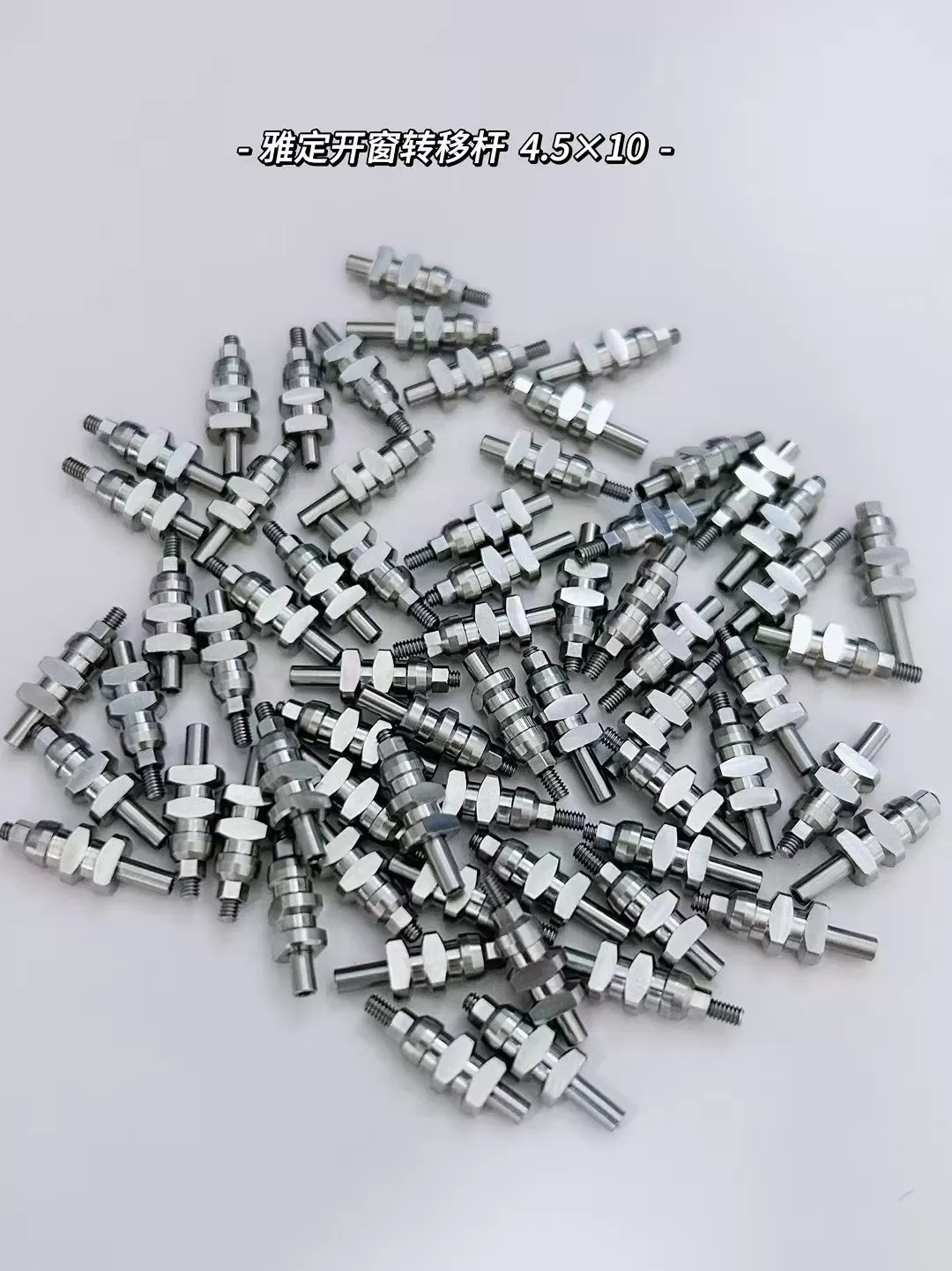
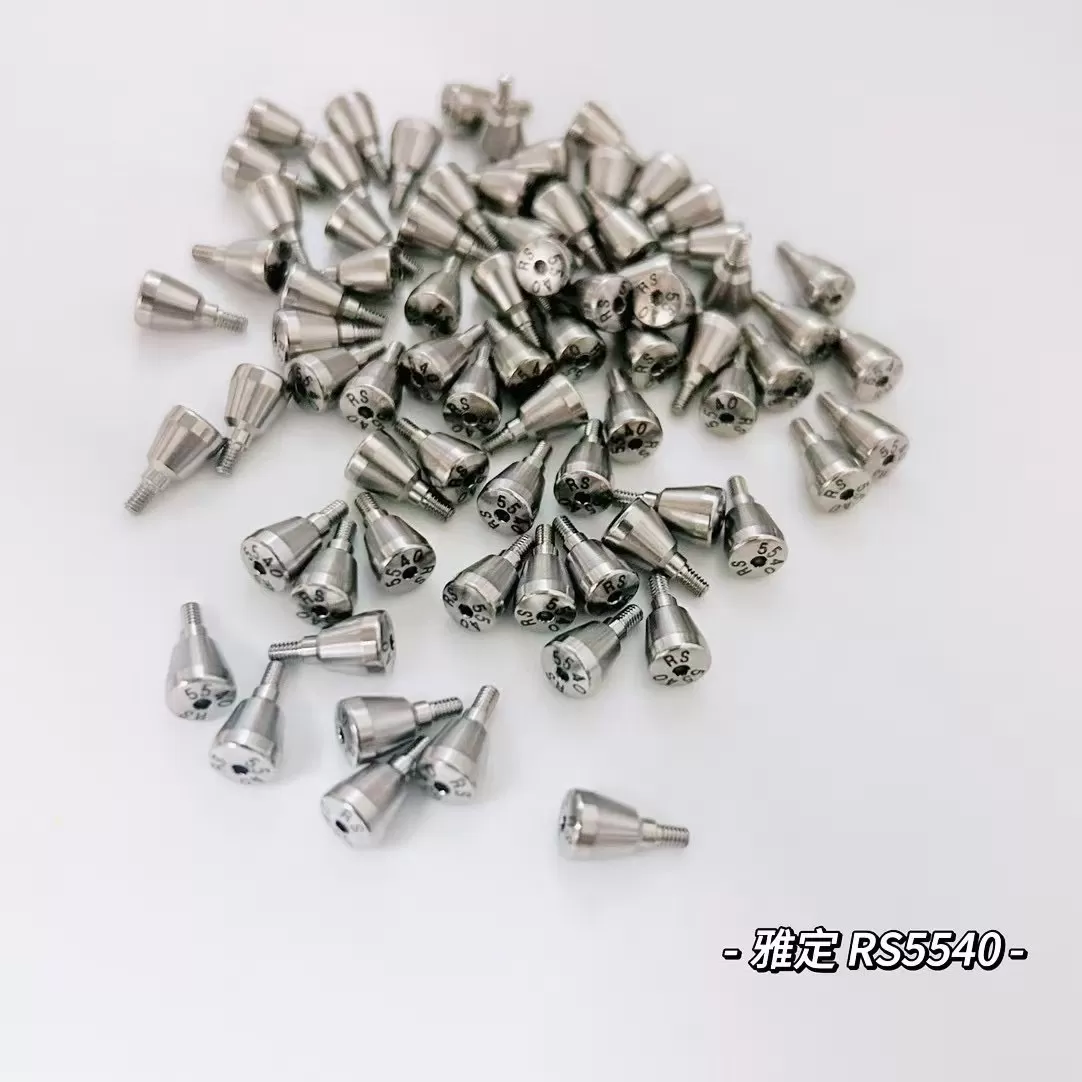
The practical application of high-precision hardware parts and components is closely related to the characteristics of different industries, and each field has unique requirements for precision parts. In the field of precision instrumentation, such as electronic measuring instruments and optical equipment, high-precision hardware parts need to have extremely high stability and anti-interference ability. For example, the precision shafts used in optical spectrometers must maintain a stable rotation accuracy, and any tiny vibration or dimensional deviation will affect the accuracy of spectral detection, leading to errors in experimental data. In the automotive electronics field, high-precision connectors and terminals are the core of signal transmission. They need to have good electrical conductivity, corrosion resistance, and plug-in durability to ensure the stable operation of vehicle-mounted systems such as navigation, braking, and entertainment.
In the marine engineering field, high-precision hardware parts face the harsh challenge of marine environment. Parts such as precision bolts and gears used in ship engines and marine equipment must have strong corrosion resistance to resist the erosion of seawater and humid air, and at the same time, they must bear high pressure and impact to ensure the safe navigation of ships. In the field of mold manufacturing, high-precision mold parts, such as mold cores and mold cavities, directly determine the shape, size, and surface quality of injection-molded products. Only with ultra-high precision can the mold produce consistent and high-quality products, reducing the waste of raw materials and improving production efficiency.
Despite their irreplaceable role, the high-precision hardware parts industry still faces many pain points in the process of production and application. One of the biggest challenges is the high production cost. The manufacturing of high-precision parts requires high-quality raw materials, advanced processing equipment, and strict quality inspection procedures, which greatly increases the production cost of enterprises. Especially for small and medium-sized manufacturers, the high investment in equipment and technology makes it difficult for them to compete with large enterprises. Another pain point is the difficulty in balancing precision and production efficiency. In the traditional processing mode, improving precision often means reducing production efficiency, and how to achieve the dual improvement of precision and efficiency has become a problem that enterprises need to solve urgently.
In addition, the problem of uneven product quality in the industry is also prominent. Due to the gap in technical strength and quality management level between different manufacturers, the quality of high-precision hardware parts on the market varies greatly. Some unqualified products not only fail to meet the application requirements but also may cause damage to the whole equipment, bringing potential safety hazards and economic losses to users. At the same time, the lack of professional talents in the field of high-precision processing is also a bottleneck restricting the development of the industry. The operation of advanced processing equipment and the research and development of new technologies require professional talents with rich experience and solid professional knowledge, and the shortage of such talents makes it difficult for some enterprises to carry out technological upgrading.
To solve these pain points and promote the healthy development of the industry, targeted solutions are needed. For the problem of high production cost, enterprises can optimize the production process, adopt intelligent production equipment to improve production efficiency and reduce labor costs. At the same time, enterprises can strengthen cooperation with raw material suppliers to reduce the cost of raw materials through bulk purchase and long-term cooperation. For the balance between precision and efficiency, the integration of intelligent technologies such as artificial intelligence and big data can be used to optimize the processing parameters, realize the intelligent adjustment of the processing process, and achieve the dual improvement of precision and efficiency.
To improve product quality, enterprises need to establish a strict quality management system, from raw material inspection to finished product delivery, to carry out full-process quality control. At the same time, enterprises should strengthen the training of employees, improve the professional quality and operational level of employees, and reduce human errors in the production process. For the shortage of professional talents, enterprises can cooperate with vocational colleges and universities to carry out school-enterprise cooperation, cultivate professional talents who meet the needs of the industry, and at the same time introduce high-end talents from the outside to enhance the technological research and development capabilities of enterprises.
In the context of global industrial upgrading, the high-precision hardware parts industry is facing both challenges and opportunities. With the continuous improvement of application requirements and the continuous innovation of technologies, the industry will gradually move towards standardization, intelligence, and high-quality development. High-precision hardware parts will not only be widely used in traditional industries but also play a more important role in emerging fields such as aerospace, new energy, and artificial intelligence. By solving industry pain points, strengthening technological innovation, and improving product quality, enterprises in the industry can gain greater development space and contribute more to the progress of the global manufacturing industry.