Dongguan Hongtai Precision Industry Co., Ltd.



High-precision Hardware Parts and Components: The Cornerstone of Modern Manufacturing
In the era of intelligent manufacturing and technological innovation, high-precision hardware parts and components have become an indispensable core element in various industries. These components, characterized by ultra-high dimensional accuracy, excellent surface quality, and stable performance, are the foundation that supports the operation of advanced equipment, the upgrading of industrial products, and the realization of technological breakthroughs. From aerospace to daily consumer electronics, from medical devices to automotive manufacturing, high-precision hardware parts and components are silently playing a pivotal role, promoting the continuous progress of human society’s industrialization and intelligence.
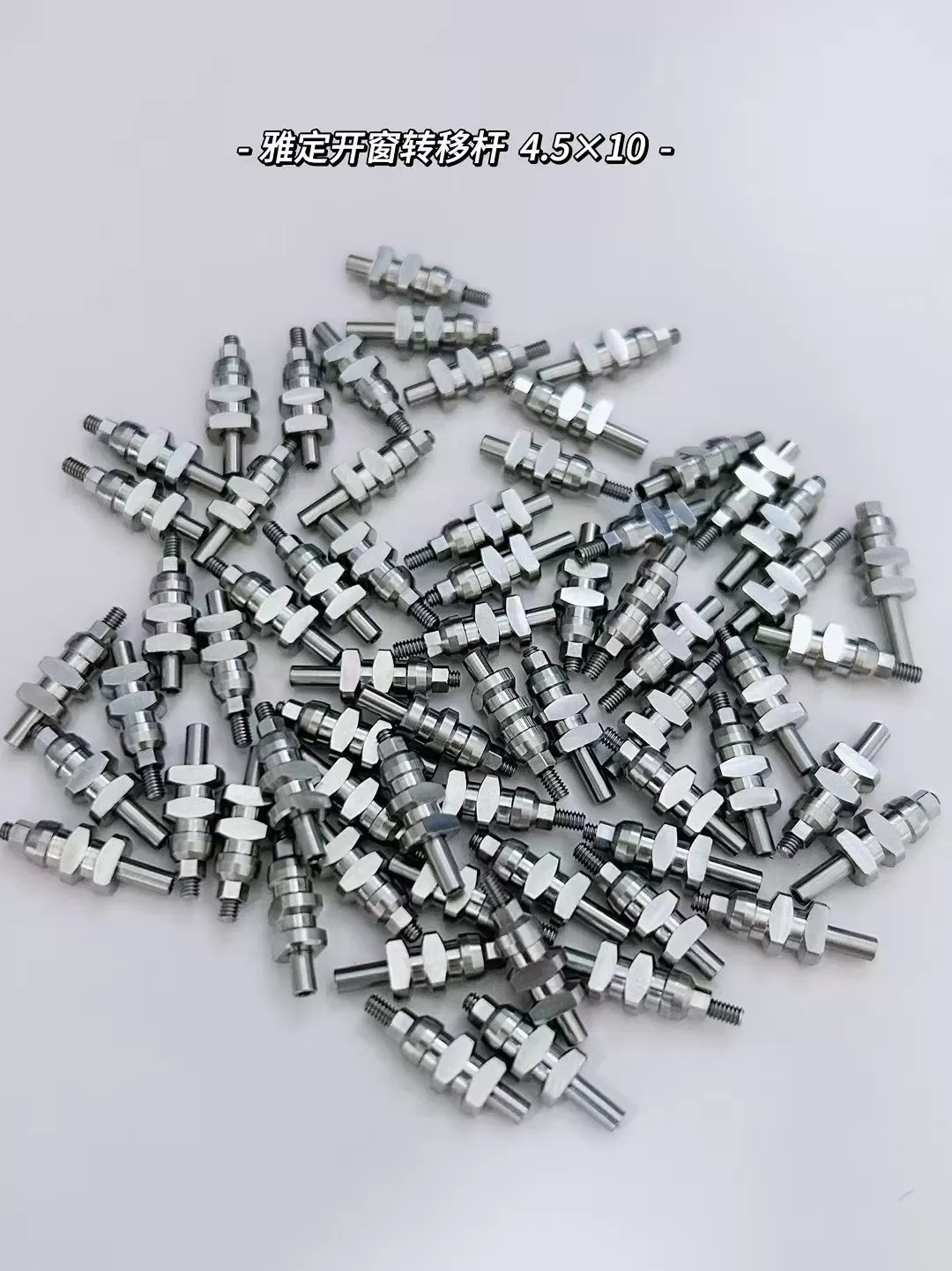
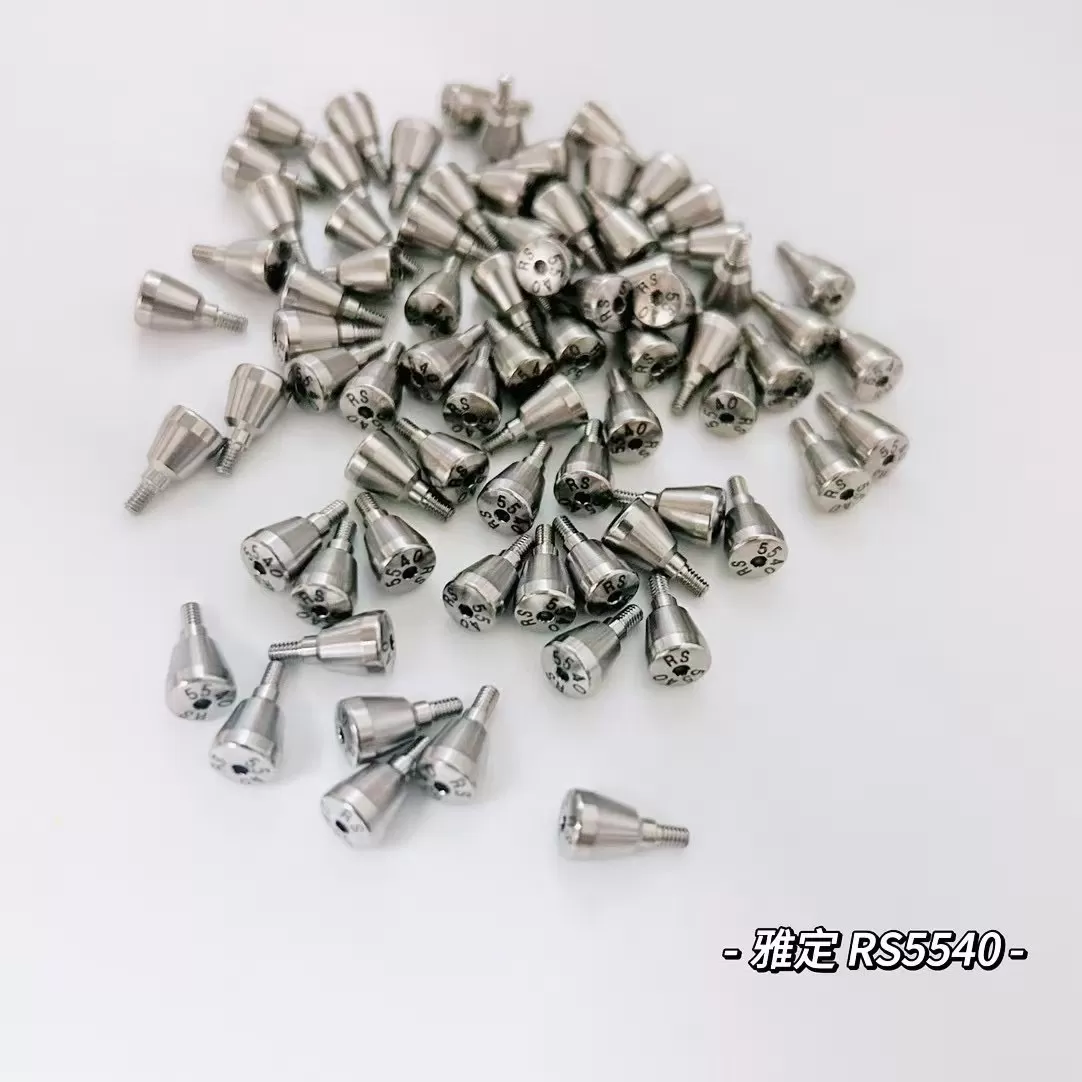
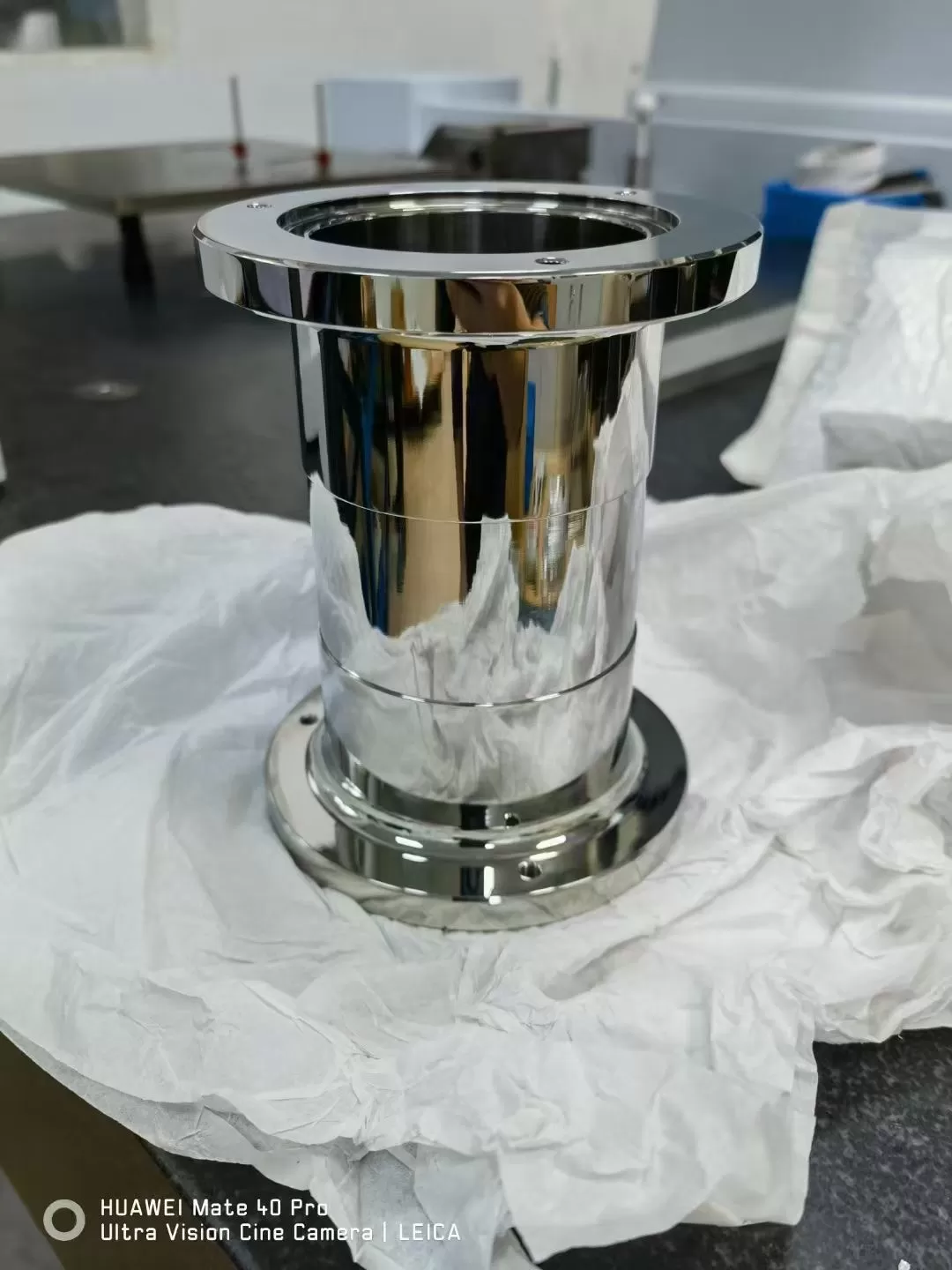
First of all, it is necessary to clarify the core definition of high-precision hardware parts and components. Different from ordinary hardware parts, high-precision products are manufactured through advanced processing technologies and strict quality control systems, with dimensional tolerances often reaching the micron or even sub-micron level. This means that every parameter, every angle, and every surface finish of the parts must meet extremely strict standards, leaving no room for error. Common high-precision hardware parts include precision shafts, gears, bearings, screws, nuts, and custom-made precision stamping parts, each of which undertakes unique functions in the overall equipment, and the quality of a single part directly affects the stability, reliability, and service life of the entire system.
The application fields of high-precision hardware parts and components are extremely wide, covering almost all high-tech and manufacturing industries. In the aerospace field, precision hardware parts are used in aircraft engines, navigation systems, and cabin equipment. These parts must withstand extreme environments such as high temperature, high pressure, and strong vibration, and their precision and durability directly relate to flight safety. For example, precision gears in aircraft engines need to maintain stable transmission accuracy under high-speed rotation, and any tiny deviation may lead to catastrophic consequences. In the automotive industry, with the development of new energy vehicles and intelligent driving, the demand for high-precision hardware parts is increasing. Precision bearings in electric vehicle motors, high-precision sensors, and custom fasteners not only improve the efficiency and energy saving of vehicles but also ensure the stability of intelligent control systems.
In the field of medical devices, high-precision hardware parts are the key to realizing minimally invasive surgery, accurate diagnosis, and personalized treatment. Precision surgical instruments, such as minimally invasive forceps and scalpel heads, require ultra-high precision to ensure that doctors can operate accurately in a small space, reducing trauma to patients. Precision components in medical imaging equipment, such as CT scanners and MRI machines, directly affect the clarity and accuracy of images, providing reliable support for clinical diagnosis. In addition, in consumer electronics such as smartphones and laptops, high-precision hardware parts such as micro screws, precision connectors, and lens holders are the basis for the miniaturization, thinning, and high-performance of products, making it possible for modern electronic devices to be lightweight and powerful.
The advantages of high-precision hardware parts and components are reflected in their excellent performance and long-term stability. Compared with ordinary hardware parts, they have higher wear resistance, corrosion resistance, and fatigue resistance, which can adapt to complex and harsh working environments and extend the service life of equipment. At the same time, their high precision ensures the coordination and compatibility between parts, reduces the friction and energy consumption between components, and improves the overall operating efficiency of the equipment. For enterprises, using high-precision hardware parts can reduce maintenance costs, improve product qualification rates, and enhance the core competitiveness of products in the market.
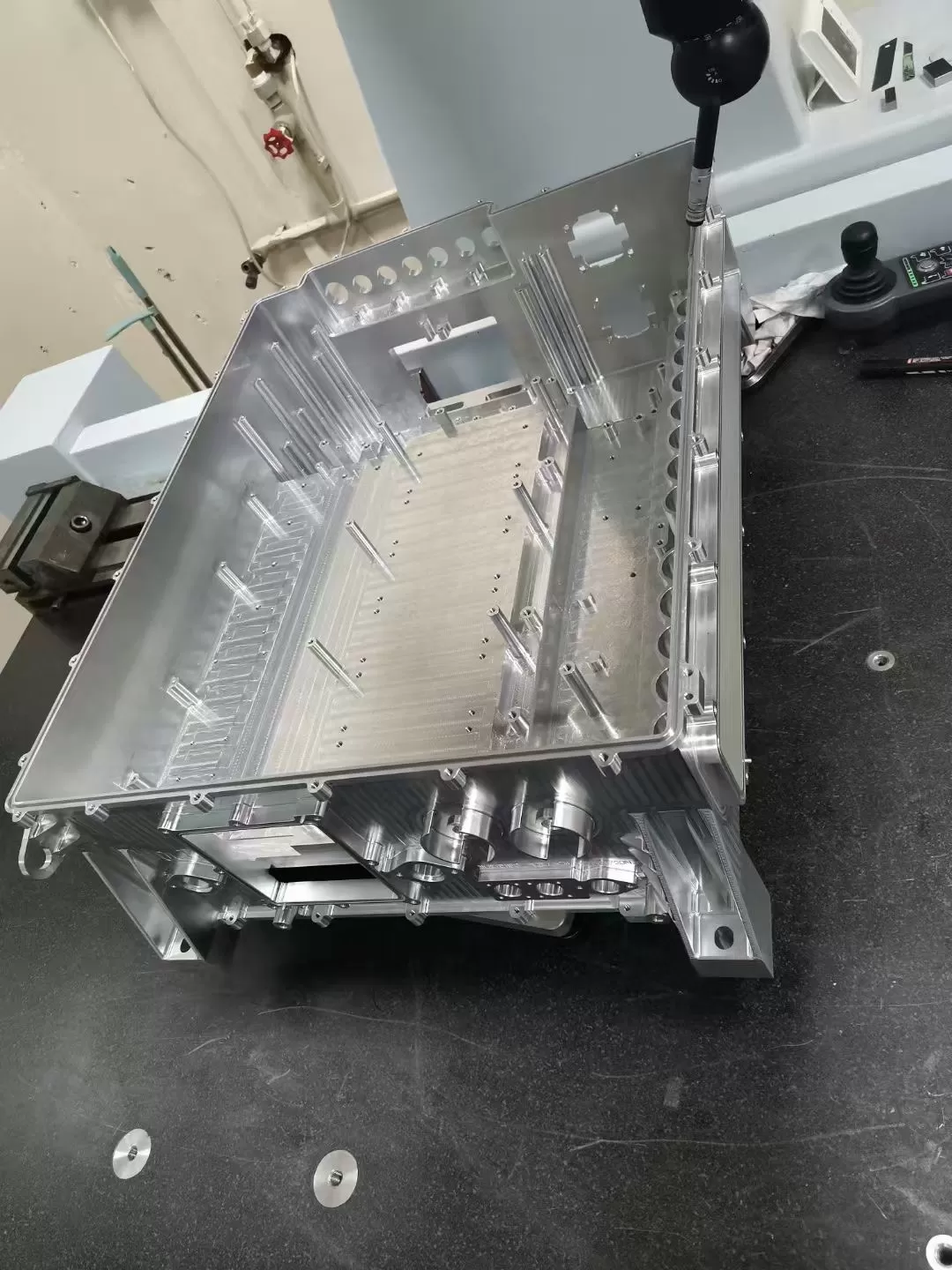
With the continuous development of science and technology, the industry of high-precision hardware parts and components is also facing new opportunities and challenges. On the one hand, the rapid development of industries such as 5G, artificial intelligence, and industrial robots has put forward higher requirements for the precision, miniaturization, and customization of hardware parts. This promotes manufacturers to continuously upgrade processing technologies, such as adopting CNC machining, precision grinding, EDM, and other advanced technologies, and introducing intelligent production lines to improve production efficiency and product quality. On the other hand, the global industrial chain adjustment and the increasing demand for independent controllability of core components have prompted domestic high-precision hardware manufacturers to strengthen technological research and development, break through key core technologies, and reduce dependence on imported products.
In the future, the development trend of high-precision hardware parts and components will be more intelligent, green, and customized. With the integration of intelligent technologies such as the Internet of Things and big data, precision hardware parts will be equipped with sensing functions, realizing real-time monitoring of their operating status and predictive maintenance. At the same time, under the concept of green development, manufacturers will pay more attention to the environmental protection of production processes, adopt environmentally friendly materials and energy-saving technologies, and reduce environmental pollution. In addition, with the diversification of market demand, customized high-precision hardware parts will become more popular, meeting the special needs of different industries and different products.
In conclusion, high-precision hardware parts and components are the cornerstone of modern manufacturing and an important support for technological progress. They are closely related to the development of various industries and the improvement of people’s quality of life. With the continuous advancement of technology and the expansion of application fields, the high-precision hardware parts industry will usher in a new period of development, making greater contributions to the upgrading of the global manufacturing industry and the realization of intelligent development.