Contact Form

High-precision Hardware Parts and Components: Innovation, Quality and Market Prospects

As the core supporting force of the global manufacturing industry, high-precision hardware parts and components are not only the embodiment of a country’s industrial level but also the key to the transformation and upgrading of enterprises. With the rapid iteration of technology and the increasing demand for high-quality products, the connotation and extension of high-precision hardware parts are constantly expanding, moving towards higher precision, more stable performance, and more diversified applications. Unlike ordinary hardware that only undertakes basic connection and support functions, high-precision hardware parts are the "nerve endings" of advanced equipment, bearing the important mission of ensuring the accuracy, efficiency, and reliability of the entire system.
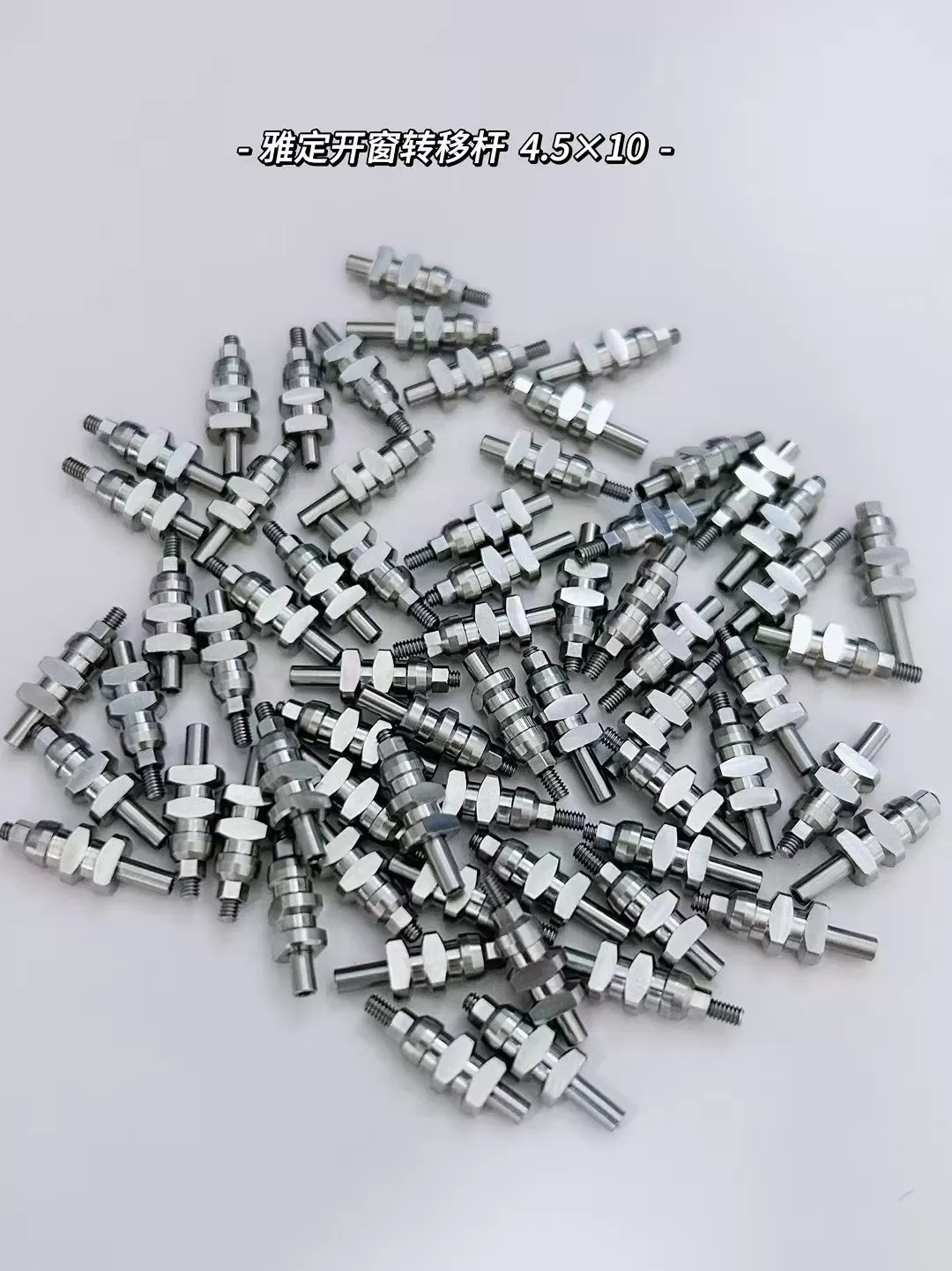
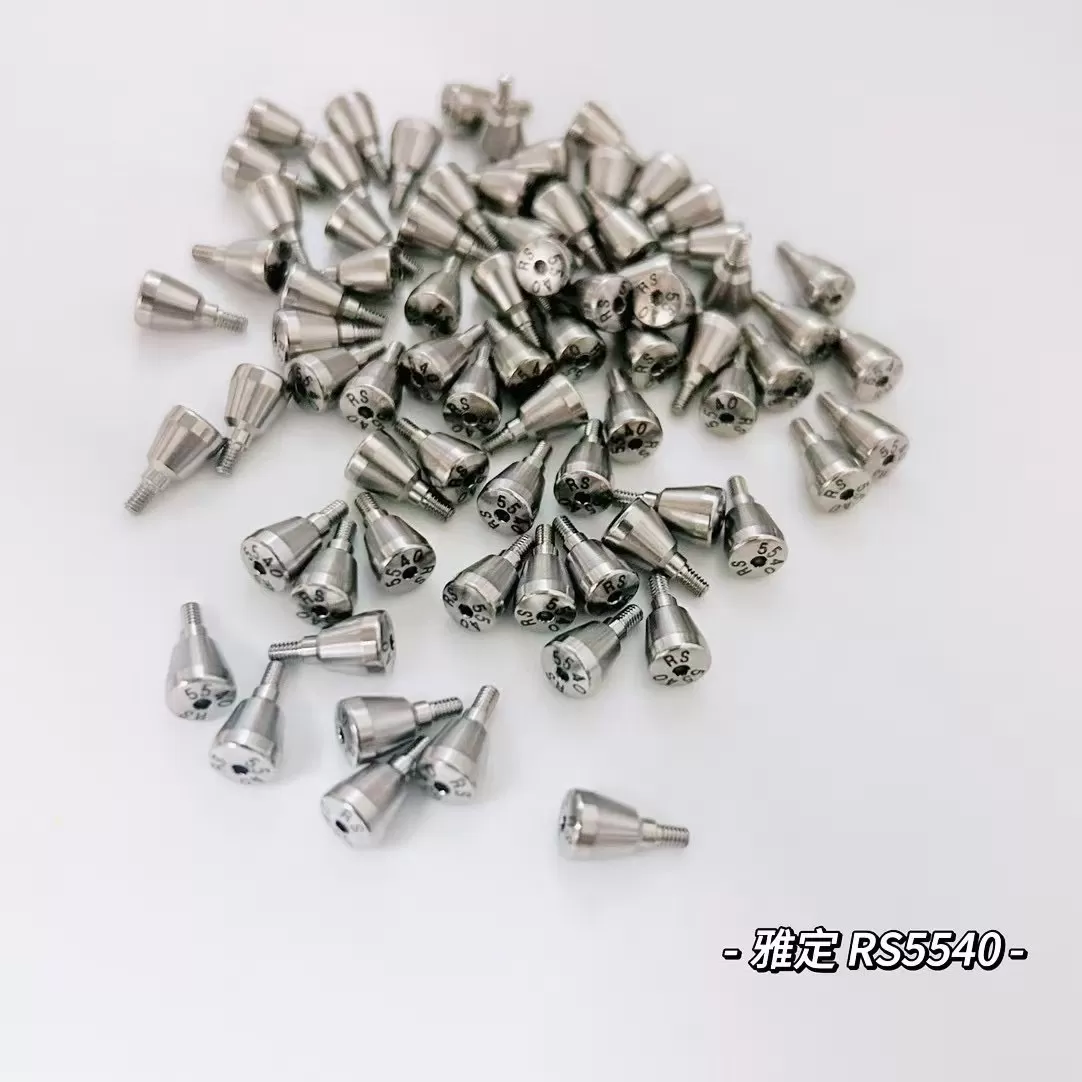
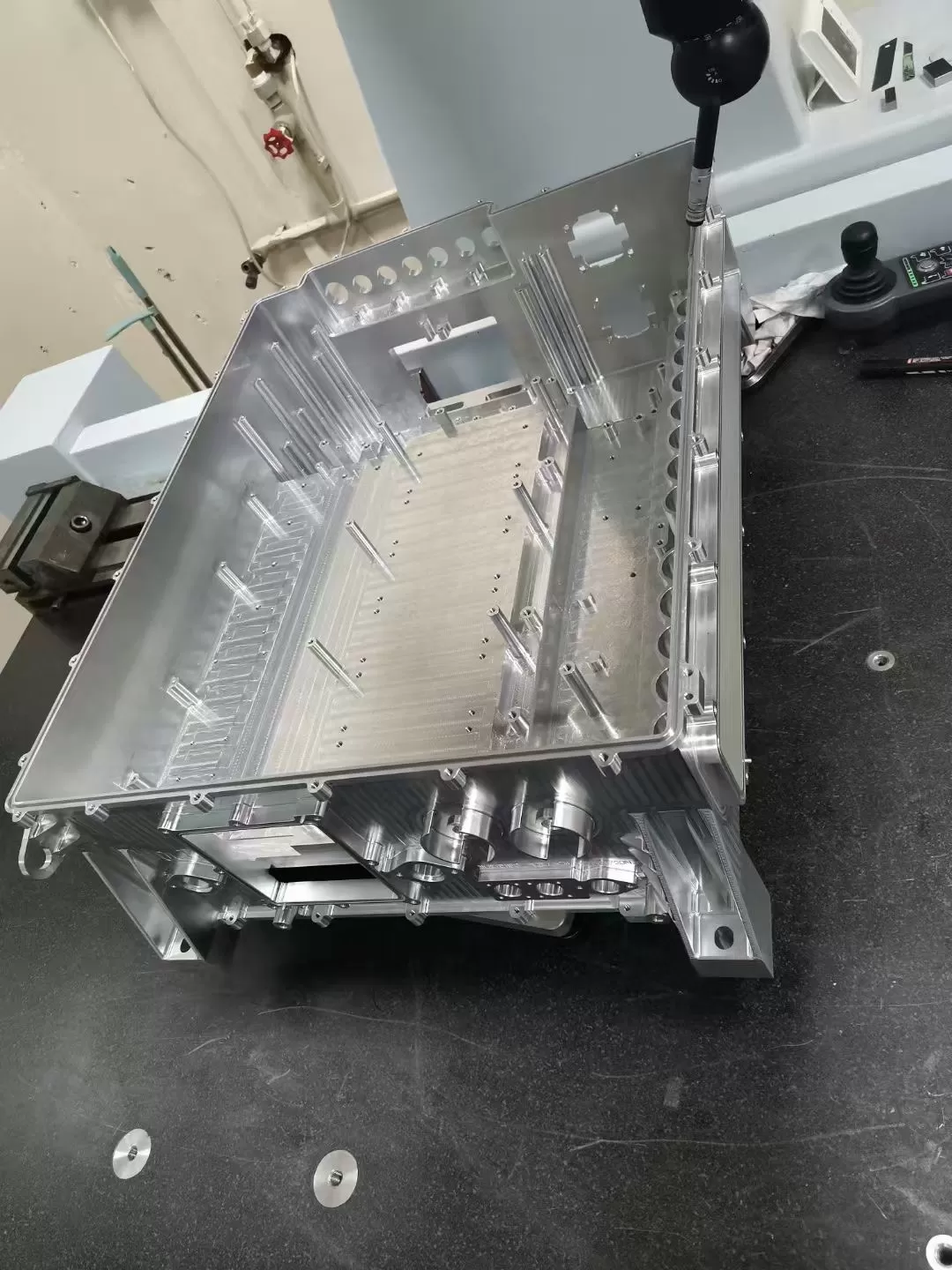
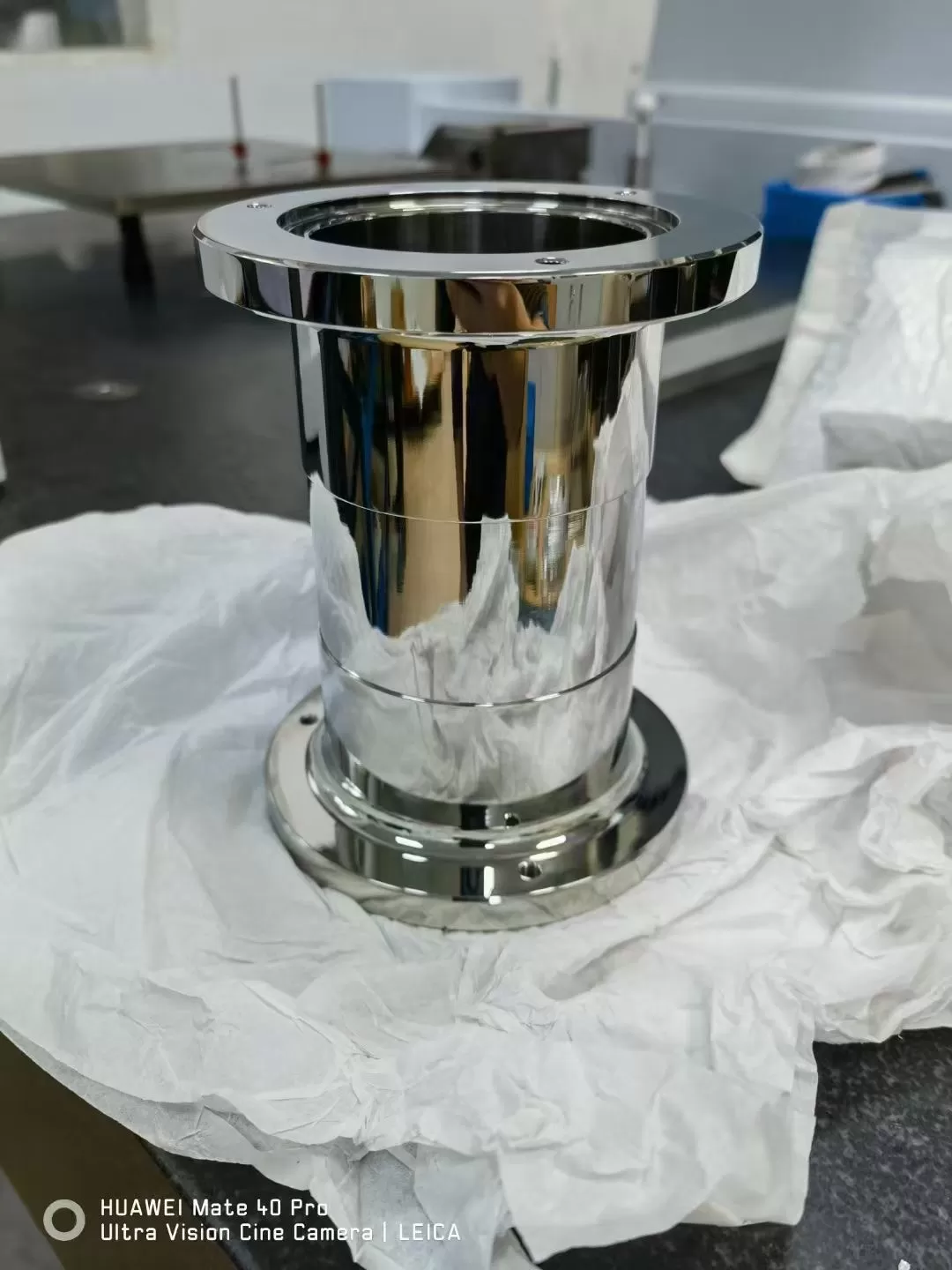
The manufacturing of high-precision hardware parts and components relies on advanced processing technologies and strict quality management systems, which is a comprehensive test of a manufacturer’s technical strength. In the processing process, every link from material selection to finished product inspection needs to be strictly controlled. High-quality raw materials, such as high-strength alloy steel, titanium alloy, and engineering plastics, lay the foundation for the excellent performance of precision parts. Advanced processing equipment, including CNC machine tools, precision grinders, and wire-cut electric discharge machines, ensures that the dimensional accuracy and surface finish of parts meet the design requirements. In addition, modern quality inspection technologies, such as coordinate measuring machines (CMM) and laser measuring instruments, can accurately detect every parameter of parts, eliminating unqualified products and ensuring the stability of product quality.
Technological innovation is the core driving force for the development of the high-precision hardware parts industry. In recent years, with the integration of emerging technologies such as artificial intelligence, big data, and the Internet of Things into the manufacturing industry, the production mode of high-precision hardware parts has undergone profound changes. Intelligent production lines realize automated processing, intelligent monitoring, and intelligent scheduling, which not only improves production efficiency but also reduces human errors, ensuring the consistency of product quality. At the same time, the research and development of new materials and new processes have further promoted the upgrading of high-precision hardware parts. For example, the application of ceramic materials has improved the wear resistance and high-temperature resistance of parts, while the development of precision forging technology has reduced production costs and improved production efficiency.
The market demand for high-precision hardware parts and components is showing a steady growth trend, driven by the development of various downstream industries. In the industrial robot industry, precision gears, bearings, and shafts are the core components of robot joints, which directly affect the flexibility and positioning accuracy of robots. With the continuous expansion of the industrial robot market, the demand for high-precision hardware parts is also increasing. In the new energy power generation field, precision hardware parts are used in wind turbines, solar power generation equipment, and energy storage systems, requiring high corrosion resistance and fatigue resistance to adapt to long-term outdoor operation. In addition, the rapid development of the electronic information industry has promoted the miniaturization and high integration of high-precision hardware parts, such as micro-precision connectors and micro gears, which are widely used in 5G base stations, smart wearables, and other products.

Despite the broad development prospects, the high-precision hardware parts industry also faces many challenges. On the one hand, the core technologies of high-precision processing and testing are still dominated by some developed countries, and domestic manufacturers still have a gap in technological research and development and equipment level. On the other hand, the fluctuation of raw material prices and the intensification of market competition have increased the operational pressure of enterprises. To cope with these challenges, enterprises need to increase investment in technological research and development, strengthen cooperation with universities and research institutes, break through key core technologies, and improve their independent innovation capabilities. At the same time, enterprises should optimize the industrial chain layout, strengthen supply chain management, and reduce the impact of raw material price fluctuations.


Our website uses cookies to provide the best user experience. By continuing to browse, you agree to our use of cookies in accordance with our Privacy Policy.